Introduction
Aviation has come a long way since the Wright Brothers’ first powered flight in 1903. What started as a rudimentary wooden frame with fabric wings has evolved into sophisticated machines capable of carrying hundreds of passengers across continents at supersonic speeds. At the heart of this transformation lies the development of aviation parts—components that ensure safety, efficiency, and innovation in the skies. In this article, we’ll explore the historical progression of these essential elements and how companies like ours at AeroTech Parts continue to push the boundaries of what’s possible in aviation.
Early Beginnings: The Dawn of Flight
The earliest aircraft parts were simple and often handmade. The Wright Flyer, for instance, featured a spruce wood frame, muslin fabric for wings, and a custom-built aluminum engine block weighing just 152 pounds. These parts prioritized lightweight construction over durability, as flights lasted mere seconds. Materials like wood and fabric were chosen for their availability and ease of repair, but they were prone to weathering and structural failure.
As aviation progressed into World War I, parts became more standardized. Propellers evolved from carved wood to laminated designs for better aerodynamics, and engines incorporated metals like steel for increased power. Companies began specializing in parts production, laying the groundwork for the modern supply chain. This era highlighted the need for reliability— a faulty part could mean the difference between victory and disaster.

The Golden Age: Post-War Innovations
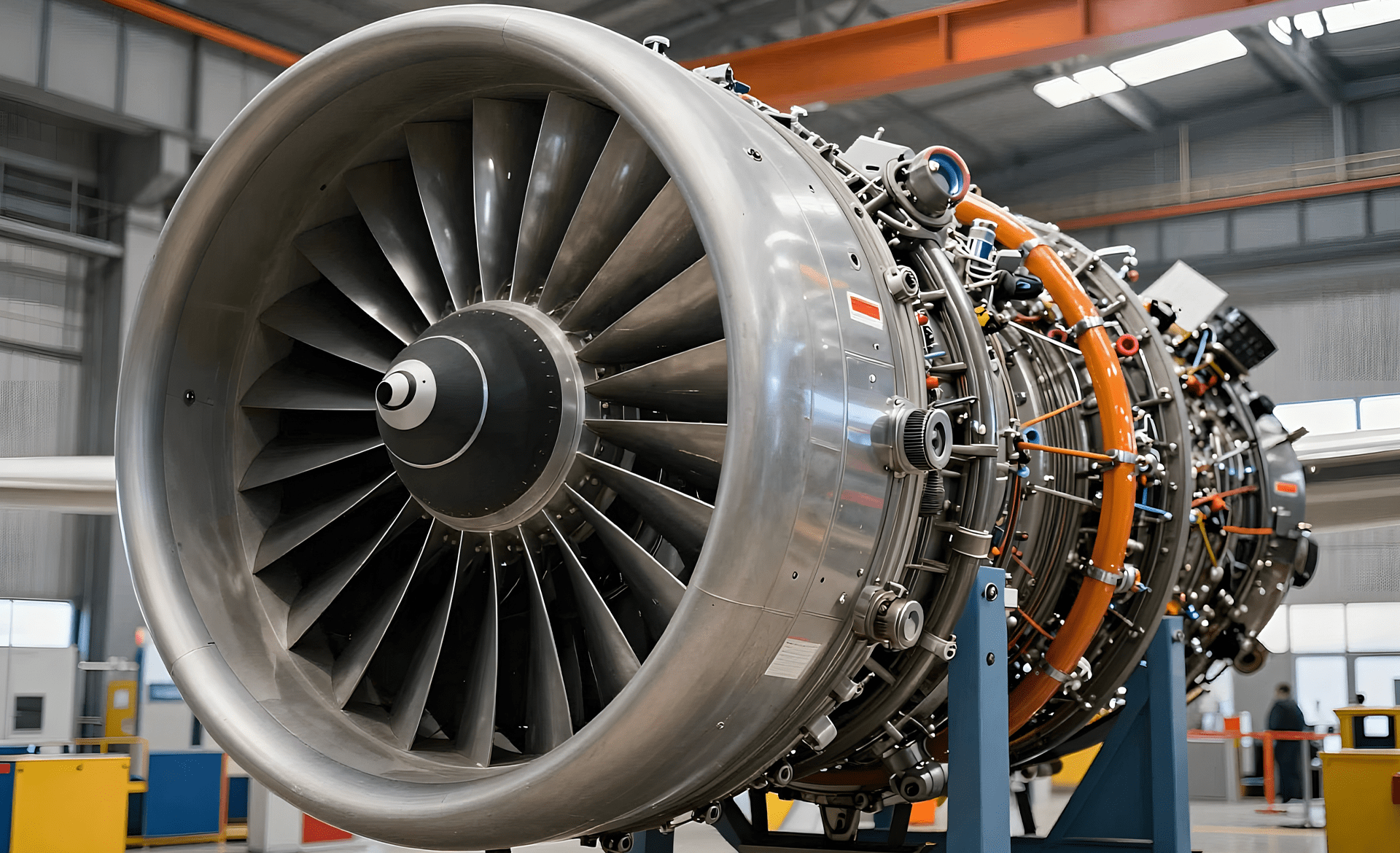
The interwar period and World War II accelerated advancements in aviation parts. Aluminum alloys became the material of choice for fuselages and wings due to their strength-to-weight ratio. Jet engines, pioneered by figures like Frank Whittle, introduced turbine blades made from heat-resistant superalloys like nickel-chromium. These parts had to withstand extreme temperatures and pressures, leading to breakthroughs in metallurgy.
Post-war, commercial aviation boomed. Parts like hydraulic landing gear and pressurized cabins transformed air travel. The introduction of composite materials in the 1950s, such as fiberglass, reduced weight and improved fuel efficiency. At AeroTech Parts, we draw inspiration from this era by sourcing and distributing high-grade alloys and composites that meet today’s stringent FAA and EASA standards.
Modern Era: High-Tech Components
Today’s aviation parts are marvels of engineering. Carbon fiber reinforced polymers (CFRP) dominate in aircraft like the Boeing 787 Dreamliner, offering up to 20% weight savings over traditional metals. Avionics parts, including GPS systems and fly-by-wire controls, integrate electronics for precise navigation and automation.
Sustainability is a key focus now. Eco-friendly parts, such as biofuels-compatible engine components and recyclable composites, are gaining traction amid environmental concerns. Additive manufacturing (3D printing) allows for custom parts production, reducing waste and lead times. Our company specializes in these cutting-edge parts, ensuring traceability from manufacturer to end-user, with certifications like AS9120 for quality management.
Challenges and Future Outlook
Despite progress, challenges remain. Supply chain disruptions, as seen during global events, highlight the need for resilient sourcing. Counterfeit parts pose risks, underscoring the importance of verified suppliers. Looking ahead, electric propulsion systems and urban air mobility (drones and eVTOLs) will demand innovative parts like lightweight batteries and advanced sensors.
At AeroTech Parts, we’re committed to staying ahead. By partnering with top manufacturers, we provide parts that support the next generation of aviation, from sustainable materials to AI-integrated diagnostics.
Conclusion
The evolution of aviation parts mirrors humanity’s quest for the skies—from fragile beginnings to robust, intelligent components. As we move forward, companies like ours play a pivotal role in ensuring that every flight is safer and more efficient. Whether you’re maintaining a fleet or building the future, quality parts are the foundation of aviation’s success.